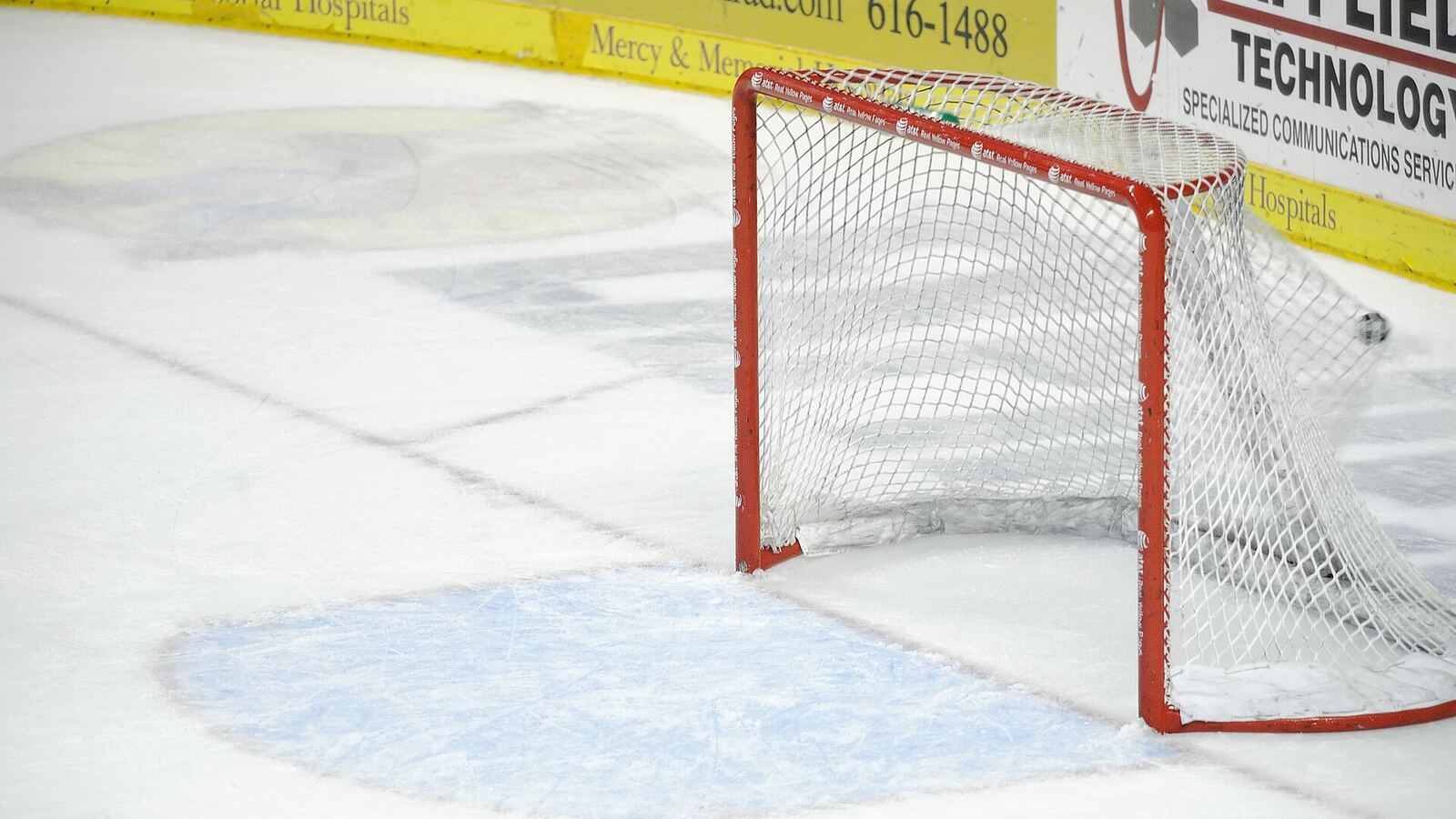
Goaltenders leave very little open net, which is why accurate shooting matters so much in hockey. Corner targets and shooter tutors turn an empty goal into a set of small, specific targets. These hockey shooting target net drills work on accuracy, quick release and shooting off the move, and most of them can be done on ice or in a driveway with street hockey balls or pucks.
Corner targets vs shooter tutors
There are two common ways to add targets to a hockey goal:
- Corner targets: individual pockets or rings that clip, strap or hang in the corners of the goal. They mark the classic scoring areas top and bottom on each side.
- Shooter tutors: a full sheet that covers the goal, with holes cut in the corners and sometimes the five-hole. The rest of the goal is blocked, as if a goalie were in position.
Both encourage aiming rather than just hitting the net. Corner targets are flexible and quick to move; shooter tutors give a stronger visual of how little net a goalie leaves.
Goal sizes to know
A regulation ice hockey goal is 6 ft wide and 4 ft high (about 1.83 m x 1.22 m). Street hockey and youth goals come in a range of sizes, so check what your league or rink uses, or simply pick a goal that fits your space. Before buying targets, measure your goal frame and compare it with the attachment sizes in the listing.
When shopping on AliExpress, check that the target or tutor matches your goal's stated dimensions, how it attaches, the material, seller ratings, recent buyer reviews and the return policy.
Setting up a safe shooting area at home
Pucks and hard balls travel fast and can do real damage. A few basics:
- Backstop netting: hang netting or a shooting backstop behind and around the goal to catch misses, especially near windows, cars or a garage door. Don't rely on it to stop every shot; place the goal so a miss heads somewhere safe.
- Clear zone: nobody should stand behind or beside the goal while someone is shooting.
- Shooting surface: on driveways, use a shooting pad or tile so pucks slide like on ice, or use street hockey balls made for asphalt.
- Eye and face protection: wear appropriate protection, especially for anyone near the goal.
- Traffic: never play where cars could move, and keep balls out of the road.
Hockey shooting target drills
1. Four-corner rotation
Shoot one puck at each corner in order: top left, top right, bottom left, bottom right. Do five rounds and count hits. Then randomise the order or have someone call the corner as you shoot.
2. Quick-release set
Line up five pucks a stick-length apart. Shoot each one as quickly as possible at a chosen corner, without stopping to set up. This trains getting the shot off fast, which matters against a moving goalie.
3. Wrist shot to snap shot
Alternate wrist shots and snap shots to the same target. Watch how the release point changes the height and speed of the shot.
4. Shooting off the pass
A partner passes from the side and you one-time or catch-and-release toward a called corner. On your own, a passing rebounder or a puck returner can stand in for the partner.
5. Moving shot lanes
Skate or stickhandle across the front of the goal from one side to the other, then shoot at the far corner. Repeat in the other direction. Shooting in motion is more game-like than shooting standing still.
6. Five-hole practice
If your shooter tutor has a five-hole opening, practise low, quick shots along the surface through it. It's a good habit for in-close chances.
7. Backhand corners
Pick one corner and shoot only backhands for a set. Many players rarely practise the backhand; corner targets give it purpose.
8. Points game
Give each target a score, for example top corners worth more than bottom. Play a set number of shots and try to beat your best score. A friend can make it competitive.
Ice vs street hockey practice
- On ice: you can use regular pucks and practise skating into shots. Many rinks have rules about using your own targets, so ask first.
- In the driveway: a shooting pad makes pucks behave more realistically. Street hockey balls bounce more, which can be useful for handling but less like a real puck shot. Choose based on what you want to work on.
Making practice count
- Warm up wrists and shoulders first.
- Shoot fewer pucks with full focus rather than many without purpose.
- Track hits per round so you can see progress week to week.
- Mix shot types and angles rather than repeating one comfortable shot.
- Look up at the target before releasing, then trust your hands.
If you also play lacrosse, our guide to lacrosse rebounder nets covers solo stick-skill work, and the hockey and lacrosse category has more.
Looking after targets and nets
Check attachment straps or clips regularly, look for rips around the target pockets, and store targets and backstop netting out of the sun when not in use. Outdoor use and hard impacts wear materials over time, so replace worn parts before they fail. See our safety page for general net safety.
Frequently asked questions
Are corner targets or a shooter tutor better?
Both help with accuracy. Corner targets are quick to move and adjust; a shooter tutor blocks the rest of the goal, which gives a realistic picture of how little net a goalie leaves. Many players use one or the other depending on the drill.
Will a shooter tutor fit my goal?
Only if the sizes match. A regulation ice hockey goal is 6 ft by 4 ft, but street and youth goals vary. Measure your goal and compare it with the dimensions in the listing.
Can I practise shooting pucks in a driveway?
Yes, with a shooting pad or tile to help pucks slide, a backstop behind the goal and a clear area with no traffic. Street hockey balls are another option.
How many shots should I take in a practice session?
It depends on your age and fitness. Focus on quality, track your hits, and stop when your technique starts to slip.
Do I need eye protection for shooting practice?
It's a sensible precaution, especially for anyone standing near the goal or collecting pucks. Never stand behind or beside the goal while someone is shooting.
Ready to set up your practice space?
Browse hockey shooting targets and compare sizes on AliExpress.
Some links on this page are affiliate links to AliExpress. If you buy through them we may earn a small commission at no extra cost to you. We don’t test or endorse individual listings, so always check the seller, sizes and return policy. Learn more.