When you shop for a practice net, the listing will usually name a material: nylon, polyethylene (often shortened to PE or HDPE) or polyester. These three cover most sports netting, and each one behaves differently in sun, rain and under repeated impact. Understanding sports net materials helps you pick a net that suits your sport, your climate and how long you expect it to last.
This guide compares the three main materials, explains knotted vs knotless netting and twine thickness, and gives practical tips for choosing.
The three main netting materials
Nylon
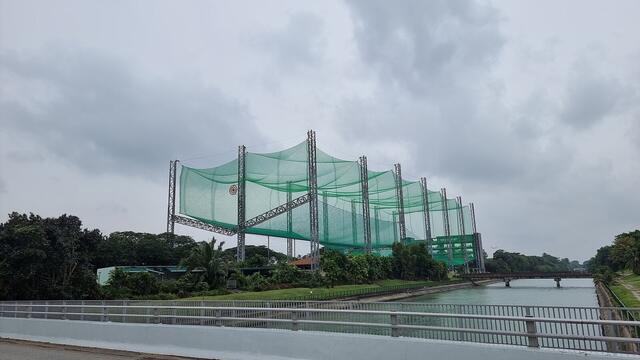
Nylon is a strong synthetic fibre with a fair amount of stretch. That stretch helps it absorb impact, which is why nylon is common in batting cages, golf nets and other nets that take hard, fast balls.
Points to keep in mind:
- Strength and stretch: good shock absorption under repeated hits.
- Water: nylon absorbs some water. Wet nylon can get heavier and may sag a little, and it can take longer to dry.
- Sun: untreated nylon is generally more vulnerable to UV damage than polyethylene or polyester. Many outdoor nylon nets are treated with a UV-resistant coating, so check the listing.
- Feel: usually soft and flexible.
Polyethylene (PE / HDPE)
Polyethylene netting is widely used for outdoor sports nets, barrier netting and ball stop fences.
- Water: it doesn't absorb water, so it stays light and dries quickly after rain.
- Sun: it is often sold with UV stabilisers and is popular for nets that stay up outdoors.
- Stretch: less stretchy than nylon, so it can feel a little stiffer.
- Weight: relatively light for its size, which makes large barrier nets easier to hang.
Polyester
Polyester netting sits in between in several ways.
- Stretch: low stretch, so the net keeps its shape and hangs neatly.
- Sun: generally good UV resistance compared with untreated nylon.
- Water: absorbs little water.
- Use: common in pop-up goals, rebounders, target sheets and some golf and tennis nets.
Quick comparison
This table summarises general tendencies. Individual nets vary a lot depending on twine thickness, treatment and construction, so always check the specific listing.
| Material | Stretch / shock absorption | Water absorption | Typical UV behaviour | Common uses |
|---|---|---|---|---|
| Nylon | Higher | Some | Benefits from UV treatment | Batting cages, golf nets, hitting nets |
| Polyethylene | Lower | Very little | Often UV-stabilised | Barrier nets, ball stops, outdoor goals |
| Polyester | Low | Little | Generally good | Pop-up nets, rebounders, target sheets |
Knotted vs knotless netting
Beyond the fibre, the way the mesh is made also matters.
- Knotted netting ties each mesh corner with a knot. It is traditional, holds its mesh shape well and is easy to repair. The knots can add a bit of wear where balls hit repeatedly.
- Knotless netting joins the strands without knots, often by weaving or braiding. It tends to be smoother and lighter and can be gentler on balls. Repairs can be a little harder to do neatly.
Neither is better in every case. Many batting cages and golf nets use knotted netting, while many lighter nets use knotless designs.
Twine thickness
Listings often describe twine by thickness in millimetres or by a gauge number such as #18, #36 or #42. In general, a thicker twine or a higher gauge number means a heavier, stronger net, but the exact meaning of gauge numbers can vary between manufacturers. Rather than relying on a number alone:
- Compare twine thickness in millimetres if the listing gives it.
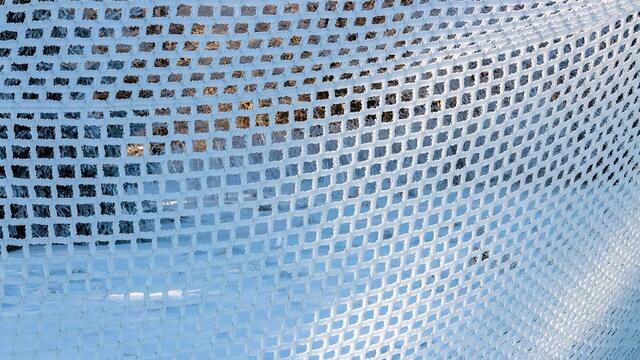
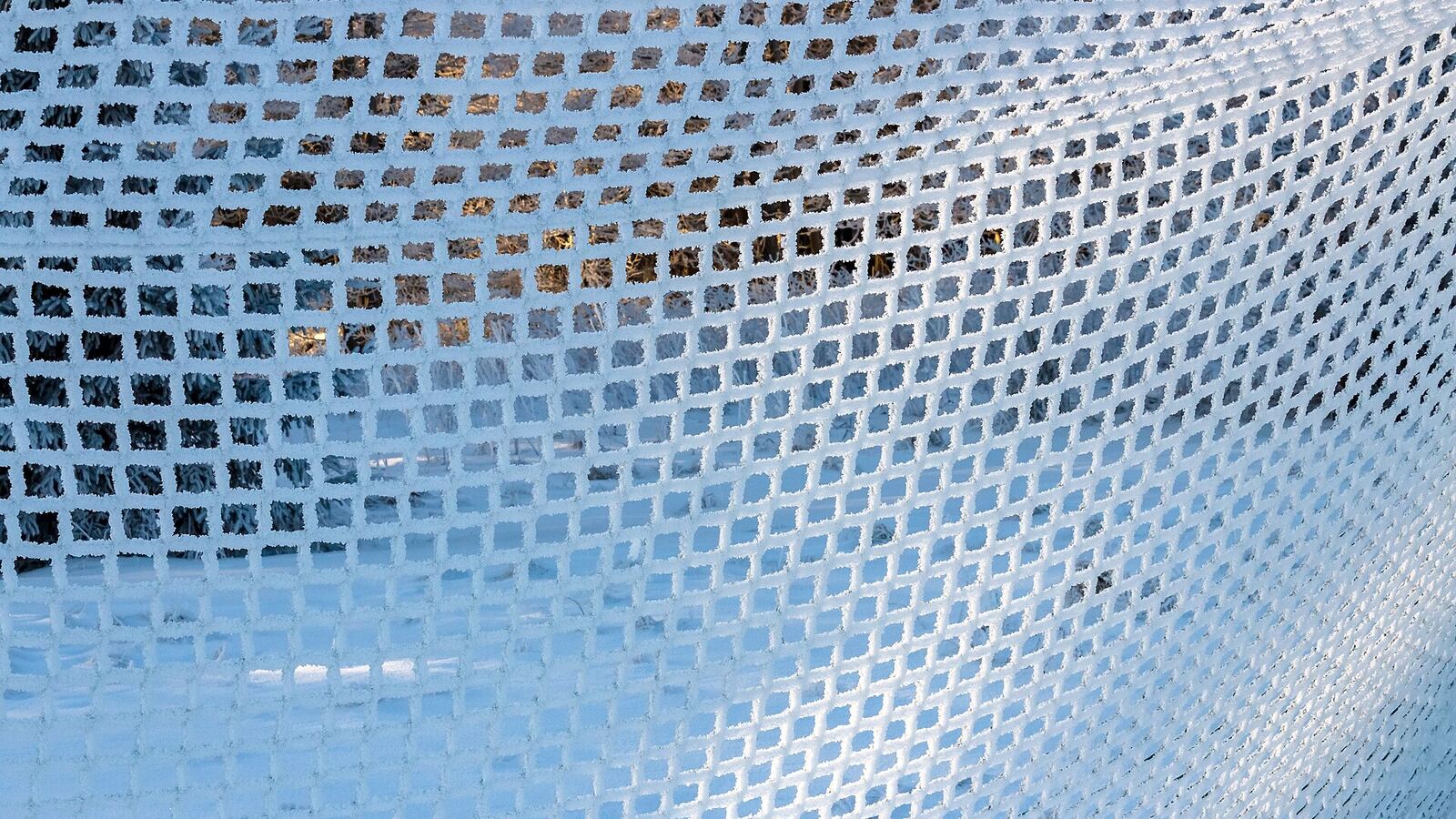
- Look at close-up photos of the mesh.
- Read reviews from buyers who use the net for the same sport.
For hard balls hit at speed, such as baseballs, cricket balls and golf balls, choose heavier twine. For lighter use, such as foam balls or children's games, lighter netting is usually enough.
Choosing by sport and situation
Consider these questions:
- How hard and fast is the ball? Golf, baseball, cricket and field hockey balls need sturdier nets than footballs or volleyballs.
- Will the net stay outdoors? If so, prioritise UV-treated or UV-stabilised netting and a material that sheds water well.
- Do you need stretch? Hitting nets and batting cages benefit from some give. Rebounders and target sheets often work better with low-stretch netting so they keep their tension.
- How big is it? Large barrier nets are easier to hang when the material is lighter.
- What is the mesh size? Material is only half the story. Our net mesh size guide explains how to match mesh to the ball.
Different sports have their own buying guides on the site, such as the golf practice net buying guide and backyard batting cage net guide.
Reading listings carefully
Material descriptions on shopping sites are not always consistent. Some listings say "nylon" when they mean a general synthetic, and translation can blur terms. To protect yourself:
- Look for the material named in the specification table, not just the title.
- Check whether UV treatment is mentioned for outdoor use.
- Compare the stated dimensions, mesh size and twine thickness with what you need.
- Read buyer reviews and photos, and check the seller's rating and return policy.
Our AliExpress buying checklist goes through these steps in order.
Making any net last longer
Whatever the material, care makes a difference. Taking nets down in storms, storing them dry and out of the sun, and repairing small holes before they spread can all help extend a net's life. See our full guide on storing and caring for sports nets.
Frequently asked questions
Which netting material is best for outdoor use?
Polyethylene and polyester are popular for nets that stay outdoors because they absorb little water and are often UV-stabilised. Nylon can also work outdoors when it has a UV-resistant treatment. Check the listing for any mention of UV protection.
Is nylon or polyester better for a golf net?
Both appear on golf nets. Nylon's stretch helps absorb impact, while polyester holds its shape well. For golf, twine thickness, mesh size and a backup layer behind the main net matter as much as the material itself.
What does the gauge number on netting mean?
Gauge numbers such as #18 or #36 describe twine thickness, and higher numbers usually mean heavier twine. However, the meaning can vary between manufacturers, so compare the thickness in millimetres where possible.
Does knotless netting last longer than knotted netting?
Not necessarily. Each type has strengths. Knotted netting holds its shape and is easy to repair, while knotless netting is smoother and lighter. Lifespan depends more on material, thickness, UV exposure and care.
Can I mix netting materials in one setup?
Yes. Some people use a heavier nylon hitting net in front and a polyethylene barrier net behind it as a backup. Just make sure each net is suitable for the ball and speed it will face.
Ready to set up your practice space?
Browse sports practice nets and compare sizes on AliExpress.
Some links on this page are affiliate links to AliExpress. If you buy through them we may earn a small commission at no extra cost to you. We don’t test or endorse individual listings, so always check the seller, sizes and return policy. Learn more.