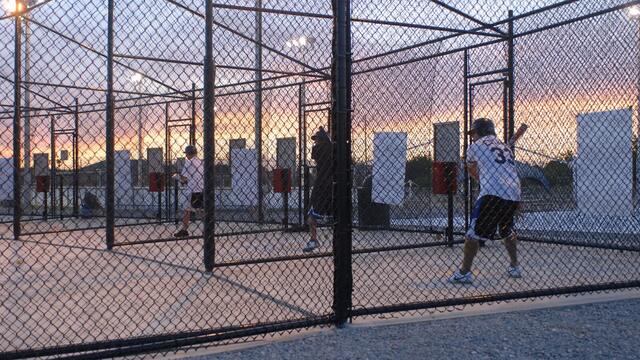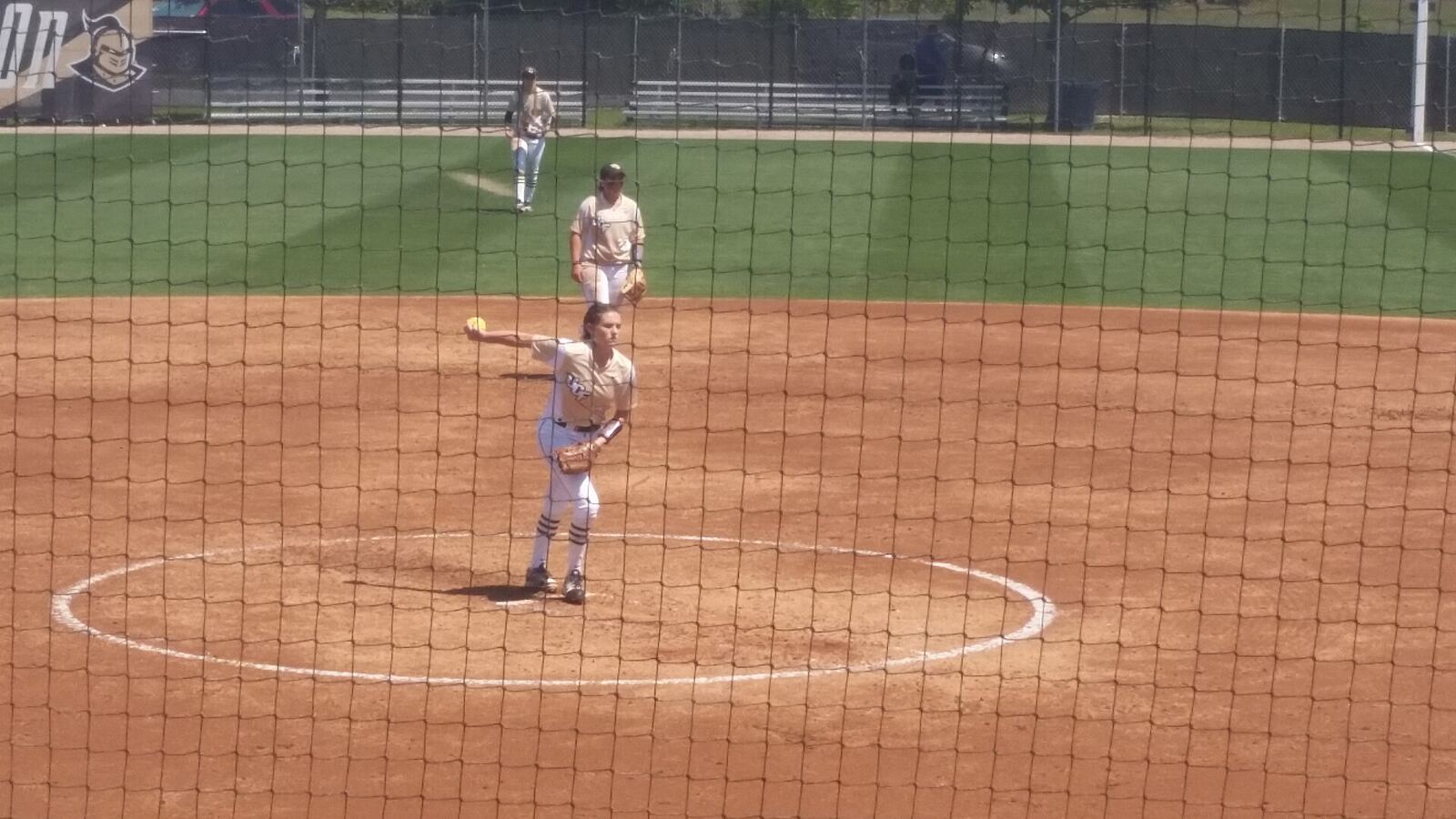
A strike zone net turns solo pitching practice into something measurable. Instead of throwing into a fence and hoping, the pitcher gets a clear target and quick feedback on every pitch. These softball pitching target drills are designed for a strike zone net or a pitching target with sections, and focus on location, consistency and staying composed under a bit of pressure. They suit fastpitch pitchers practising at home, with or without a partner nearby.
Setting up for softball pitching practice
Distance
Softball pitching distances differ by age group, level and governing body, and fastpitch and slowpitch are also different. Check the distance your league uses and measure it from the front of your pitching marker to the plate position in front of the net. For warm-ups and mechanics work, many pitchers throw from a shorter distance first.
Zone height
The softball strike zone is defined by the rules of each governing body, and it is judged by the batter's stance, so the right target height depends on the hitters you face and your league's rules. If your target net is adjustable, set it to suit a typical batter your pitcher will face, and ask your coach if unsure.
The area
- Choose a flat spot with enough length and nothing fragile behind the net.
- Mark the pitching spot with a throw-down marker or tape.
- Anchor the net with stakes or weights, particularly outdoors.
- Keep people and pets out of the throwing lane and away from the sides.
Choosing a strike zone net for softball
When comparing listings, look for:
- A stated zone size and whether it can be adjusted in height.
- Suitability for softballs: the frame and netting should be described as intended for softball use.
- A backing net behind the zone to stop balls.
- Section markings or pockets for corner work.
- Stable legs or base and the anchoring method.
Confirm the dimensions in the listing and check seller ratings, reviews and the return policy. Many products are marketed for both baseball and softball, so check the target height suits a softball pitcher's typical delivery. Our baseball pitching target net guide covers general features in more detail.
Warm-up first
Always warm up before targeted pitching. A typical approach starts with general movement, then easy throws over a short distance, gradually building to the full distance and full effort. Follow the warm-up routine your coach recommends, and stop if anything hurts.
Softball pitching target drills
1. Wrist snaps to the net
From a short distance, use wrist snaps or partial motions aimed at the middle of the zone. This warms up the release and gets the pitcher focused on the target early.
2. Corner ladder
Pick a corner and keep throwing until you hit it, then move to the next. Count total pitches to complete all four. Record the score and try to improve it next time.
3. In and out
Alternate inside and outside locations from pitch to pitch. Changing location every throw is harder than repeating the same spot, and closer to what happens in a game.
4. Up and down
Alternate between the top and bottom of the zone. If your pitcher throws pitches designed to move up or down, use this drill to practise the intended location for each, under coach guidance.
5. Count game
Play an imaginary at-bat. Pitches in the target zone are strikes, misses are balls. The goal is to record outs before walking batters. Play an imaginary inning of three outs and track pitches thrown.
6. Call your shot
Before each pitch, say the location out loud: "low and away", "up and in". Then throw. It keeps the pitcher committed to a specific target instead of drifting to the middle.
7. Seven-pitch sequence
Plan a sequence of seven pitches to different locations, write it down, and try to execute it in order. Each miss means starting the sequence again, or, to keep it friendly, counting misses and trying to beat the number next time.
8. Fatigue finish
Near the end of a session, while still within safe limits, throw a final short set focusing purely on hitting the target with good mechanics. Learning to stay accurate when slightly tired is useful, but keep pitch volume sensible.
Sample 25-minute session
| Time | Activity |
|---|---|
| 0–7 min | Warm-up and wrist snaps |
| 7–12 min | Corner ladder |
| 12–17 min | In and out, then up and down |
| 17–22 min | Count game |
| 22–25 min | Call your shot finisher and cool down |
Managing volume
A net makes it easy to throw a lot. Plan the number of pitches before the session and follow guidance from the pitcher's coach or league on workload and rest, which often depends on age. Rest days and a cool-down are part of good practice.
Getting more from a net
- Film occasionally from a safe position to the side to check mechanics.
- Keep a log of drill scores so progress is visible over weeks.
- Use a rebound net for fielding practice after pitching; see our pitchback rebound net drills, many of which adapt to softball.
A net does not replace throwing to a catcher, who can give feedback on movement and spin. It is a helpful extra for days when a catcher is not available.
Safety reminders
- Make sure the net is described as suitable for softballs.
- Inspect the net, frame and anchoring before each session.
- Keep others behind the pitcher and well to the side.
- Be careful if a net rebounds balls back towards the pitcher.
No net is guaranteed to stop every ball. Our safety page has more general advice, and the baseball and softball category has more drills and guides.
Frequently asked questions
How far should a softball pitcher stand from the net?
Use the pitching distance for your league and age group, since it varies. For warm-ups and mechanics work, a shorter distance is common before moving back to full distance.
Can I use a baseball strike zone net for softball?
Sometimes. Many nets are sold for both sports, but check that the zone can be adjusted to a suitable height and that the net is described as suitable for softballs.
How many pitches should a softball pitcher throw in practice?
It depends on age, experience and the coach's plan. Follow guidance from the pitcher's coach or league on workload and rest, and stop if anything hurts.
Are these drills useful for slowpitch?
Some, such as the corner ladder and call your shot, can be adapted. Slowpitch rules and pitching style are different, so adjust distances and targets to your league's rules.
Ready to set up your practice space?
Browse baseball pitching nets and compare sizes on AliExpress.
Some links on this page are affiliate links to AliExpress. If you buy through them we may earn a small commission at no extra cost to you. We don’t test or endorse individual listings, so always check the seller, sizes and return policy. Learn more.